
What actually makes something "junk food"
It's rarely one ingredient. Flip a packet of biscuits or a bag of crisps over and the giveaway is usually a long list where sugar, refined flour or oil shows up two or three times under different names — glucose syrup, dextrose, palm oil. A food isn't junk because it's processed at all; bread is processed. It's junk when almost everything in it is calories with very little fibre, protein or micronutrients attached.
That's the quickest way to sort a snack drawer: pick up anything with more than five or six ingredients, and check whether sugar or oil is near the top. If it is, it's a candidate for swapping out, not banning outright.
Five swaps that hold up in practice
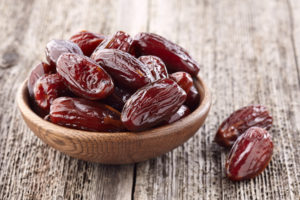
Chocolate bar → a few Medjool dates, plain or stuffed with a spoon of peanut butter. The caramel texture does most of the work here; you're not missing much.
Potato crisps → roasted chickpeas with salt and paprika. Same crunch and salt hit, a fraction of the oil.
Flavoured yoghurt → plain yoghurt with chopped dates stirred through. You control how much sugar goes in, which is usually less than the pre-mixed version.
Instant noodles → eggs on toast, or leftover rice reheated with vegetables. Both take under ten minutes, which is the actual reason instant noodles win by default.
Ice cream → frozen banana blended with a date or two. It won't taste identical, but it scratches the same craving for something cold and sweet.
Why dates specifically work as a base
Dates carry fibre and natural sugar in the same bite, so a couple of them satisfy a sweet craving without the sharp spike-and-crash of a straight sugar hit. Medjool is the variety most people reach for in swaps like these because it's soft enough to eat straight from the box, no prep needed — which matters when the alternative is grabbing whatever's already open on the counter.
Buying a box to keep visible near the fruit bowl, rather than in the back of a cupboard, makes the swap stick. The junk food usually wins because it's the thing already in sight.