
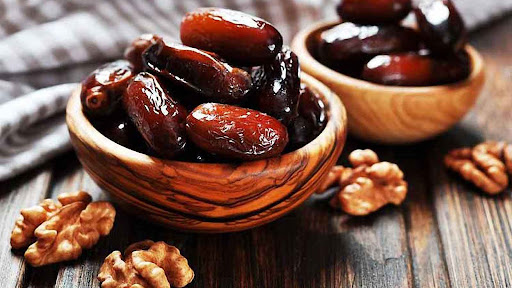
Introduction to Dates and Cooking
When most people think of dates, they imagine a sweet, chewy fruit enjoyed as a snack or dessert ingredient. However, the relationship between goes far beyond sweetness. For centuries, chefs in the Middle East, North Africa, and the Mediterranean have incorporated dates into savory dishes, harnessing their unique balance of sweetness, richness, and depth to enhance flavor complexity.
Dates are the fruit of the date palm (Phoenix dactylifera), revered not only for their nutritional value but also for their culinary versatility. They add body to sauces, sweetness to marinades, and balance to spicy or salty foods. In modern kitchens, they have become a favorite natural ingredient for chefs who wish to create healthier, more vibrant dishes without relying on refined sugars.
This article explores the many ways dates can transform savory dishes. From meats and grains to salads and sauces, you’ll discover how to use dates as a secret ingredient to elevate flavor, texture, and nutrition in everyday cooking. We’ll also touch on their growing popularity in global markets such as kurma wholesale and their accessibility in affordable selections like kurma murah (affordable dates).
The Science of Sweetness in Savory Dishes
In cooking, flavor balance is everything. The most memorable dishes often achieve harmony between the five core tastes — sweet, salty, sour, bitter, and umami. Dates naturally provide sweetness, but they also contribute subtle notes of caramel, honey, and fruit, which can enhance other flavors in complex ways.
When used correctly, the natural sugars in dates help highlight savory elements. Sweetness can round off bitterness, reduce acidity, and mellow out spice. This is why many chefs use small amounts of dates in dishes with strong or bold flavors, such as chili, curry, or grilled meats.
Unlike refined sugar or syrups, dates add sweetness while also bringing texture, color, and nutrients. The result is a more natural, layered flavor experience — one that appeals to both the palate and the body’s nutritional needs.
Nutritional Value: Why Dates Belong in the Kitchen
Beyond flavor, dates are nutritional gems. They are rich in fiber, potassium, magnesium, and antioxidants, all of which make them a healthy ingredient for savory cooking.
A 100-gram serving of dates contains about 277 calories, mostly from natural sugars, but it also provides 7 grams of fiber and essential minerals that support digestion, heart health, and energy production.
In savory dishes, dates not only add depth of taste but also improve the nutritional profile of the meal. They can replace artificial sweeteners or processed sauces, providing real nourishment while reducing the need for added sugar.
By blending taste with health, dates bridge the gap between indulgence and wellness in modern cuisine.
Pairing Dates with Savory Ingredients
To use dates effectively in savory dishes, understanding how to pair them with other ingredients is essential. Their sweetness complements a wide range of flavors and textures.
Here are some classic and modern pairing ideas:
-
Meats: Dates pair beautifully with lamb, chicken, beef, and duck. They balance rich, fatty flavors and add natural glaze.
-
Cheese: Salty cheeses like feta, goat cheese, and blue cheese contrast beautifully with the sweetness of dates.
-
Grains: Dates can enhance couscous, quinoa, and rice dishes, providing bursts of sweetness and texture.
-
Vegetables: Roasted root vegetables, onions, and peppers work well with chopped or blended dates in dressings or sauces.
-
Nuts: Almonds, pistachios, and walnuts complement the chewiness of dates and add crunch.
-
Spices: Cumin, coriander, cinnamon, turmeric, and chili enhance the earthy warmth of dates in savory recipes.
When incorporated thoughtfully, these combinations create balanced, satisfying meals that highlight the complexity of dates without overwhelming other flavors.
Using Dates in Marinades and Sauces
One of the easiest and most effective ways to bring dates into savory cooking is through marinades and sauces. Blended dates can serve as a natural sweetener and thickener in a variety of savory mixtures.
Date Marinade Base Recipe:
-
4 pitted dates (soaked in warm water)
-
2 tablespoons olive oil
-
1 tablespoon soy sauce or tamari
-
1 teaspoon vinegar or lemon juice
-
1 garlic clove
-
Pinch of salt and pepper
Blend until smooth, and use as a marinade for meats, tofu, or roasted vegetables. The natural sugars caramelize beautifully during cooking, giving dishes a deep, rich color and flavor.
Date Barbecue Sauce:
Pureed dates can replace brown sugar or molasses in homemade BBQ sauce. Combine dates with tomato paste, vinegar, mustard, and smoked paprika for a naturally sweet, tangy condiment that complements grilled dishes.
By using dates instead of refined sugars, you not only enhance flavor but also increase the nutritional value of your meals.
Dates in Middle Eastern and Mediterranean Dishes
In traditional Middle Eastern and Mediterranean cuisines, dates have long been used in savory dishes. They feature prominently in tagines, stews, and rice dishes, where they provide a subtle sweetness that balances aromatic spices.
Moroccan Lamb Tagine with Dates:
This dish combines tender lamb, slow-cooked with onions, garlic, ginger, cinnamon, and chopped dates. The result is a comforting meal with a perfect mix of savory spice and gentle sweetness.
Stuffed Dates:
In some Mediterranean cultures, dates are stuffed with cheese, herbs, or nuts, then lightly baked or grilled. These make elegant appetizers that blend sweet and salty flavors.
Rice Pilaf with Dates:
Adding chopped dates to rice pilaf with almonds, raisins, and saffron gives the dish a delightful texture and a sweet undertone that complements grilled meats or vegetables.
These traditional recipes showcase how integral dates are to savory cooking — not as an afterthought, but as a defining element of flavor.
Modern Global Takes on Dates in Savory Cooking
Today, chefs around the world are experimenting with dates in modern cuisines, adapting them to diverse culinary traditions.
In Asian Dishes:
Dates can be used to balance spice in curries, stir-fries, and sauces. They work particularly well with soy, ginger, and chili — adding body and natural sweetness to dishes like teriyaki or rendang.
In Western Cuisine:
Dates are increasingly used in salads, grain bowls, and vegetarian mains. Chopped dates in roasted vegetable salads or added to glazes for poultry bring an unexpected twist.
In Fusion Cooking:
Creative chefs mix traditional ingredients with dates to develop new flavor profiles. For example, a balsamic-date reduction drizzled over roasted Brussels sprouts or salmon creates a sophisticated blend of sweet and savory.
As culinary innovation continues, the role of dates in global cooking expands, proving their adaptability across cuisines.
Balancing Flavors: How to Use Dates Without Overpowering Dishes
While dates bring natural sweetness and depth, using them correctly is key to maintaining balance. Too many can make a savory dish taste cloying. The secret lies in moderation and pairing.
Here are a few tips:
-
Use sparingly — 1–2 chopped dates per serving is usually enough.
-
Blend with acids — Lemon juice, vinegar, or yogurt cut through sweetness.
-
Incorporate spices — Cumin, chili, or black pepper enhance complexity.
-
Add texture — Combine dates with crunchy or salty elements to contrast softness.
-
Choose the right variety — Medjool dates are soft and rich, while Deglet Noor dates are firmer and less sweet — perfect for savory dishes.
Understanding these principles allows you to use dates effectively, achieving harmony without overwhelming the palate.
Vegan and Plant-Based Applications
Dates are especially popular in vegan and plant-based cooking. They serve as a natural substitute for honey or processed sweeteners in sauces, dressings, and glazes.
Date Tahini Dressing:
Blend soaked dates with tahini, lemon juice, garlic, and water for a creamy, sweet-savory dressing perfect for salads or roasted vegetables.
Chili with Dates:
Add a few chopped dates to vegan chili for a subtle sweetness that balances spicy and smoky flavors.
Stuffed Peppers with Dates and Lentils:
Incorporating chopped dates into lentil or rice fillings adds texture and flavor richness, elevating the dish from simple to extraordinary.
By acting as both sweetener and binder, dates become indispensable in plant-based kitchens, proving that healthy eating can be deeply flavorful.
The Role of Texture and Mouthfeel
Texture is a vital component of cooking, and dates bring a unique chewiness that contrasts beautifully with crisp or creamy ingredients. When chopped finely, they integrate smoothly into sauces and grains; when left whole or halved, they add bursts of flavor and pleasant bite.
In salads, for instance, chopped dates offer sweetness and chewiness against crunchy vegetables or nuts. In sauces, they thicken and enrich texture without the need for added starches or fats.
This ability to modify texture while enhancing taste makes dates a versatile and valuable ingredient for chefs aiming to create depth and complexity in every dish.
Health Benefits of Including Dates in Savory Meals
Cooking with dates doesn’t just enhance flavor — it boosts the health benefits of your dishes. Regular consumption can improve digestion, stabilize energy levels, and provide essential nutrients like potassium and magnesium.
The fiber in dates promotes fullness and supports gut health. Their antioxidants protect cells from damage, while natural sugars provide steady energy without the crash associated with refined sweeteners.
Using dates in savory dishes allows people to enjoy their nutritional advantages without consuming excess sugar or calories from desserts. It’s a simple, delicious way to make everyday meals healthier and more satisfying.
Global Trends in Dates and Cooking
In recent years, the culinary world has witnessed a renewed fascination with ancient ingredients — and dates are at the forefront of this movement. From fine-dining restaurants to home kitchens, chefs are rediscovering the fruit’s versatility.
In professional kitchens, dates are used in glazes, chutneys, and reductions to bring depth to savory dishes. In home cooking, they serve as an easy replacement for processed condiments or sweeteners.
The growing global trade in dates has also made them widely available, thanks to markets like kurma wholesale, which provide high-quality varieties to chefs and retailers worldwide. Consumers can also find affordable options like kurma murah, ensuring everyone can enjoy this nutritious ingredient without expense.
This accessibility is helping dates become a staple of modern healthy cooking everywhere.
Practical Tips for Cooking with Dates
-
Soak before blending: Softens the texture and makes blending easier.
-
Chop finely: Prevents large chunks that overpower flavor.
-
Pair with acid: Vinegar or citrus balances sweetness.
-
Caramelize lightly: Fry chopped dates briefly to deepen flavor.
-
Add last: To preserve texture and prevent over-sweetening.
By mastering these small techniques, you can use dates confidently in a wide range of savory recipes — from salads and stews to sauces and sides.
Sample Savory Recipes Using Dates
1. Chicken with Date and Olive Sauce
Sauté onions and garlic, then add chopped dates, olives, and lemon zest. Simmer with chicken stock and serve over roasted chicken.
2. Roasted Carrot and Date Salad
Combine roasted carrots, arugula, and pistachios with chopped dates and a cumin-yogurt dressing for a warm, flavorful salad.
3. Spicy Date and Tomato Chutney
Cook chopped dates with tomatoes, chili, ginger, and vinegar until thick. Serve with grilled meats or cheese platters.
4. Couscous with Dates and Almonds
Add toasted almonds and chopped dates to fluffy couscous for a quick side dish that complements any protein.
Each of these recipes showcases how dates can transform savory dishes into something rich, balanced, and memorable.
Conclusion
The connection between dates and cooking is one of harmony, innovation, and nourishment. Dates are not just a sweet fruit — they are a culinary bridge that brings balance, depth, and health to savory dishes across cultures and cuisines.
From Middle Eastern tagines to modern fusion plates, dates add complexity through their natural sweetness and texture. They enrich sauces, balance spice, and create harmony between flavors — all while enhancing the nutritional value of meals.
Whether sourced from global markets through kurma wholesale or enjoyed locally as kurma murah, dates have earned their place as a versatile ingredient in both traditional and contemporary kitchens.
By embracing dates in savory cooking, we rediscover the power of natural ingredients — transforming everyday meals into extraordinary culinary experiences rooted in flavor, balance, and wellbeing.